How Technology Helps Wildlife Research
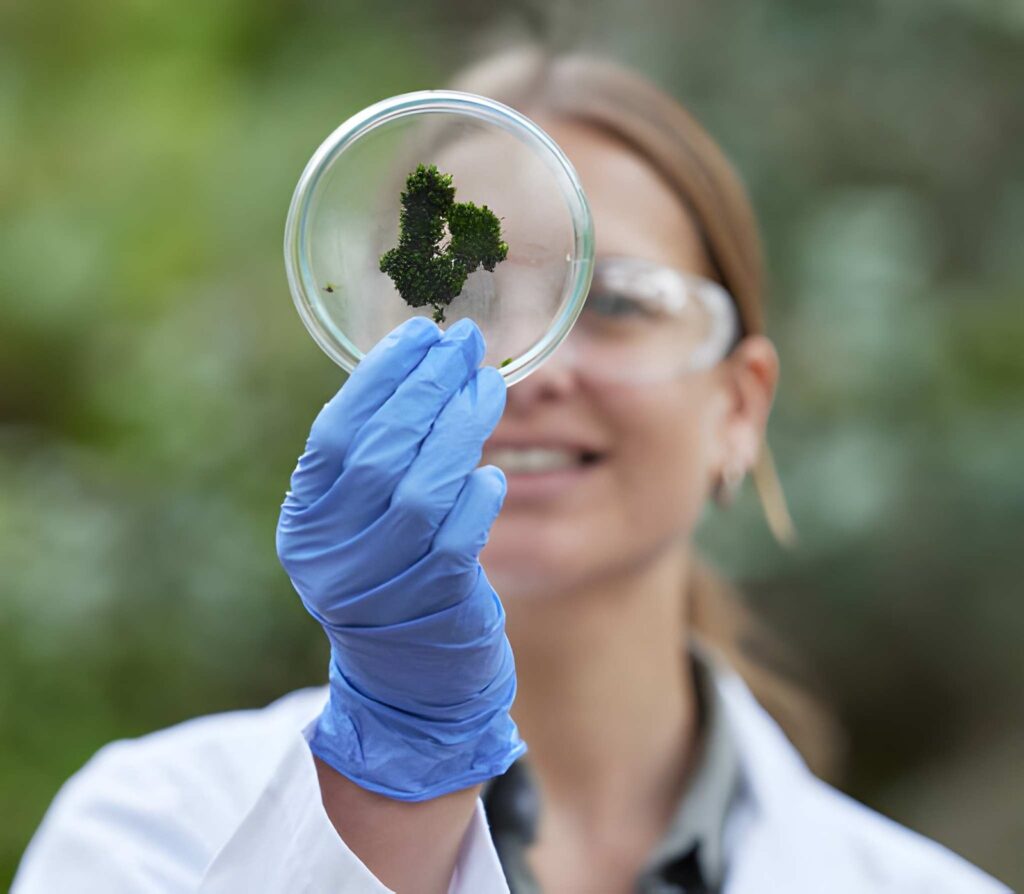
Wildlife research has always depended on patience, observation, and scientific skill. In the past, researchers often had to spend long hours in the field, tracking animals by sight, footprints, or signs left behind in the environment. Today, technology has transformed how scientists study wildlife . From GPS collars and camera traps to drones and artificial intelligence, modern tools help researchers collect better data, protect endangered species, and understand ecosystems more clearly.
Technology in wildlife research is not replacing field scientists. Instead, it gives them more accurate, efficient, and safer ways to study animals in their natural habitats. These advances are especially important as climate change, habitat loss, and human activity continue to threaten biodiversity around the world.
GPS Tracking and Animal Movement
One of the most important technologies in wildlife research is GPS tracking. Scientists use GPS collars, tags, or transmitters to follow the movements of animals such as wolves, elephants, sea turtles, birds, and big cats. These devices send location data to researchers, allowing them to study where animals travel, how far they move, and which habitats they use.
GPS tracking helps answer important conservation questions. For example, researchers can identify migration routes, breeding areas, feeding grounds, and danger zones where animals may come into conflict with humans. This information can guide the creation of wildlife corridors, protected areas, and conservation plans.
In marine wildlife research, satellite tags are used to track animals such as whales, sharks, and seals across vast oceans. Without this technology, it would be extremely difficult to understand their long-distance movements and survival patterns.
Camera Traps for Wildlife Monitoring
Camera traps have become a powerful tool for wildlife monitoring. These motion-activated cameras are placed in forests, grasslands, mountains, or other natural habitats. When an animal passes by, the camera automatically takes a photo or video.
Camera traps allow researchers to observe animals without disturbing them. This is especially useful for studying rare, shy, or nocturnal species that are difficult to see in person. Tigers, leopards, snow leopards, pangolins, and many other elusive animals have been studied using camera trap technology.
The images collected from camera traps help scientists estimate population sizes, identify individual animals, study behavior, and detect changes in biodiversity. In some cases, camera traps have even recorded species that were thought to be extinct in certain regions.
Drones in Wildlife Research
Drones, also known as unmanned aerial vehicles, are increasingly used in wildlife research and conservation. They can fly over forests, wetlands, coastlines, and remote landscapes to collect images and videos from above. This makes it easier to survey large areas in less time.
Drones are useful for counting animals, mapping habitats, monitoring nests, and detecting illegal activities such as poaching or deforestation. For example, drones can help count elephant herds in open landscapes or monitor seabird colonies on cliffs without putting researchers at risk.
Because drones can access places that are difficult or dangerous for humans to reach, they are valuable tools for studying wildlife in remote or fragile ecosystems. However, researchers must use drones carefully to avoid stressing animals or disturbing their natural behavior.
Artificial Intelligence and Data Analysis
Modern wildlife research produces huge amounts of data. Camera traps may capture millions of photos, GPS devices may generate thousands of location points, and acoustic sensors may record hours of sound. Analyzing all this information manually can take a long time.
Artificial intelligence, or AI, helps researchers process data faster. AI software can identify animal species in photos, recognize individual animals based on markings, and detect patterns in movement or behavior. This saves time and reduces human error.
For example, AI can quickly sort camera trap images into categories such as “tiger,” “deer,” “human,” or “empty image.” It can also help detect changes in animal populations over time. With better data analysis, scientists can make faster decisions to protect wildlife.
Acoustic Monitoring and Animal Sounds
Many animals communicate through sound, including birds, frogs, bats, whales, and insects. Acoustic monitoring uses microphones or underwater recorders to capture these sounds in the environment. Researchers then analyze the recordings to learn which species are present and how they behave.
This technology is especially helpful in dense forests, deep oceans, or nighttime environments where visual observation is difficult. For example, scientists can monitor bird diversity in rainforests by recording calls, or track whale communication in the ocean using underwater microphones.
Acoustic monitoring can also detect changes caused by human activity. Noise pollution from ships, roads, or construction can interfere with animal communication. By studying soundscapes, researchers can better understand how human noise affects wildlife.
Remote Sensing and Habitat Mapping
Remote sensing uses satellites, aircraft, or drones to collect information about the Earth’s surface. In wildlife research, this technology helps scientists map habitats, monitor vegetation, detect deforestation, and track environmental changes.
Satellite images can show how forests, wetlands, grasslands, and ice-covered regions are changing over time. This is important for understanding how habitat loss affects wildlife populations. For example, remote sensing can help researchers measure shrinking polar ice habitats used by polar bears or identify forest loss affecting orangutans.
Habitat mapping also helps conservationists decide where to focus protection efforts. By combining satellite data with animal tracking data, researchers can identify the most important areas for wildlife survival.
Genetic Technology and Conservation
Genetic technology plays a growing role in wildlife research. Scientists can study DNA from hair, feathers, skin, feces, or tissue samples to learn about animal populations. DNA analysis can reveal genetic diversity, family relationships, population size, and disease risks.
This information is vital for endangered species conservation. Low genetic diversity can make a species more vulnerable to disease and environmental change. By understanding genetics, conservationists can design breeding programs and manage populations more effectively.
Environmental DNA, or eDNA, is another exciting tool. Animals leave traces of DNA in water, soil, or air. By testing environmental samples, scientists can detect whether a species is present without seeing or capturing it.
Technology Helps Fight Wildlife Crime
Technology also helps protect wildlife from illegal hunting, trafficking, and habitat destruction. GPS tracking can alert conservation teams if an animal stops moving unexpectedly. Drones and satellite images can detect illegal logging or poaching activity. Camera traps can record human intrusions in protected areas.
In addition, databases and digital identification tools help authorities track illegal wildlife trade. DNA testing can identify the origin of confiscated animal products such as ivory, horns, or skins. These tools support law enforcement and help reduce wildlife crime.
The Future of Wildlife Research
As technology continues to improve, wildlife research will become even more accurate and effective. Smaller tracking devices, better batteries, advanced sensors, and smarter AI systems will allow scientists to study more species ingreater detail.
However, technology must be used responsibly. Ethical wildlife research should minimize stress, protect animal welfare, and respect local communities. The best results come when technology is combined with traditional field knowledge, conservation experience, and community involvement.
Conclusion
Technology helps wildlife research by making it easier to track animals, monitor habitats, analyze data, and protect endangered species. GPS tracking, camera traps, drones, artificial intelligence, acoustic monitoring, remote sensing, and genetic tools have all changed the way scientists understand the natural world.
In a time when many species face serious threats, these technologies provide essential information for conservation. By using modern tools wisely, researchers can make better decisions, protect biodiversity, and help ensure that wildlife survives for future generations.